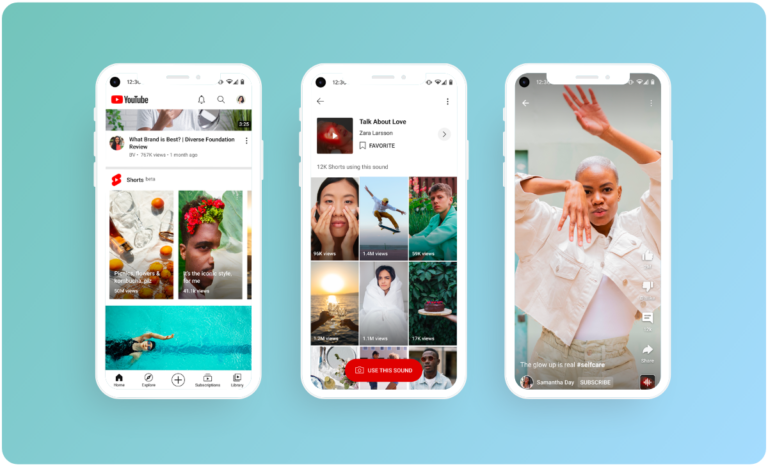
There’s a quiet revolution happening in online content. Scroll through YouTube Shorts, Instagram Reels, or TikTok, and you’ll notice something interesting: some of the fastest-growing accounts never show a face. No camera setup. No studio lighting. No on-screen host. Yet they pull in thousands, sometimes millions of views. Welcome to the world of Faceless Videos.
For professionals building a brand and beginners testing their first idea, faceless content removes one of the biggest barriers to starting: being on camera. And thanks to modern AI Video tools, creating high-quality content without filming yourself has become not just possible, but practical and scalable.
In this guide, you’ll learn how to create faceless videos using AI in a way that feels professional, authentic, and sustainable, even if you’ve never edited a video before.
Why Faceless Videos Are Growing So Fast
Faceless videos are not new. Educational channels, motivational compilations, animated explainers, and stock-footage documentaries have existed for years. What has changed is accessibility.
Traditionally, creating video content required multiple tools—scriptwriting software, editing timelines, stock footage libraries, voiceover equipment, music licensing, and hours of production time. For beginners and busy professionals, that process felt overwhelming.
Today, an faceless ai video generator can transform a simple text prompt into a structured video draft, complete with visuals, voiceovers, subtitles, and background music. That shift has opened the door for entrepreneurs, marketers, teachers, and content creators who want impact without complexity.
Faceless videos work especially well for:
- Educational explainers
- Finance or business channels
- Storytelling content
- Motivational videos
- Product walkthroughs
- UGC-style ads without personal branding
The appeal is simple: you focus on the message. The AI handles the mechanics.
Step 1: Start With a Clear Content Idea
Before opening any AI video app, clarity matters.
Faceless content thrives on strong concepts. Because you’re not relying on personality-driven engagement, your hook, structure, and value must carry the video.
Ask yourself:
- What problem am I solving?
- Who is this for?
- What transformation or insight will viewers get?
For example, a marketing consultant might create a faceless explainer titled “Why Most Small Business Ads Fail in 2026.” A teacher might create a short history breakdown. A solopreneur might produce product demo videos without appearing on screen.
The key is specificity. AI amplifies clarity. It struggles with vagueness.
Step 2: Turn Your Script Into a Structured AI Video
Once your idea is clear, the next step is scripting. Some creators prefer writing manually. Others use AI to generate a first draft and refine it.
With modern AI Video platforms like invideo, you can input a structured prompt such as:
“Create a 60-second faceless explainer video about why local businesses should use short-form video marketing. Tone: confident and educational.”
Invideo then interprets the prompt and generates a draft with scenes, visuals, transitions, subtitles, and voiceovers aligned to the concept. Instead of building from scratch, you begin with a complete framework.
This is where AI truly changes the workflow. Rather than editing on a complex timeline filled with buttons and panels, you refine, adjust, and guide the output. It feels less like technical production and more like creative direction.
For beginners, this removes intimidation. For professionals, it removes friction.
Step 3: Choose the Right Visual Style
Faceless videos rely heavily on visuals to maintain engagement. Because there is no on-camera presence, the pacing, transitions, and imagery carry the emotional rhythm.
There are several approaches you can take:
Stock footage storytelling works well for motivational, business, and educational content.
Animated explainers help simplify complex ideas.
AI-generated scenes create unique visual environments.
AI avatars allow you to create a digital presenter without filming yourself.
If you want to scale faceless content across multiple topics, using consistent visual themes helps build recognition. Invideo supports customizable styles and AI avatars, which allow creators to maintain brand consistency even without appearing on screen.
Professionals often underestimate this step. Visual cohesion is what separates random clips from a polished marketing video.
Step 4: Add Voice Without Recording Yourself
One of the biggest challenges beginners face is voiceover recording. Not everyone has a quiet space, a quality microphone, or confidence in their delivery.
This is where AI voice generation and voice cloning become powerful tools.
With AI voice options, you can select tone, accent, pacing, and emotional delivery. The result feels natural and aligned with your script. For more advanced creators, voice cloning allows you to create a consistent brand voice without recording every time.
For faceless YouTube channels, this consistency builds familiarity. For businesses, it creates brand continuity across product demos, explainers, and promos.
Instead of worrying about retakes and background noise, you refine the script and regenerate the narration. The process becomes iterative rather than stressful.
Step 5: Optimize for Engagement and Retention
Creating faceless videos with AI is not just about automation—it’s about strategy.
Retention matters. Especially in short-form formats, the first three seconds determine performance.
Strong faceless videos often follow a rhythm:
- Immediate hook
- Clear value promise
- Visual variation every few seconds
- Subtle motion and text emphasis
- Strong closing takeaway
AI tools can handle scene pacing and transitions, but the creator’s judgment still matters. Professionals often review drafts and tighten language, sharpen hooks, and remove fluff.
Remember: AI accelerates production. It does not replace discernment.
Step 6: Repurpose Content at Scale
One of the most overlooked benefits of using an AI video generator is scalability.
A single blog post can become:
- A 60-second faceless video
- A 3-minute explainer
- A vertical short
- A square Instagram video
- A LinkedIn marketing clip
Invideo simplifies this by allowing creators to transform written content into text to video outputs in different aspect ratios. This is particularly useful for marketers and businesses running multi-platform campaigns.
Instead of creating separate edits for each channel, you adapt the core narrative.
This is how professionals maintain output without burnout.
Why AI Makes Faceless Content Sustainable
The real advantage of AI is not speed alone. It’s sustainability.
Traditional editing tools require steep learning curves. For many professionals, the time investment becomes the bottleneck. For beginners, the complexity becomes the reason they never start.
Invideo was designed around removing that friction, allowing creators to focus on ideas rather than timelines and technical layers
The philosophy centers on fewer barriers and more creative freedom, enabling anyone—from seasoned marketers to first-time storytellers—to bring ideas to life without production overwhelm.
That shift matters in the context of faceless videos. When the process feels intuitive, experimentation increases. And experimentation leads to growth.
Common Beginner Mistakes to Avoid
While AI simplifies production, quality still depends on intent.
One common mistake is overloading scripts with information. Faceless videos perform best when focused and concise. Another issue is relying entirely on default outputs without refining pacing or emphasis.
AI provides structure. You provide clarity.
It’s also important not to treat AI video tools as magic buttons. Strong prompts lead to strong drafts. Vague instructions lead to generic outputs.
For professionals, the edge comes from blending AI efficiency with human insight.
Real-World Use Cases for Professionals
Faceless videos are not just for anonymous YouTube channels.
Consultants use them to explain frameworks without constant filming.
Course creators repurpose lessons into short promotional clips.
Local businesses create marketing videos showcasing services with AI-generated narration.
Agencies produce UGC-style ads without organizing costly shoots.
The ability to create faceless content quickly changes the economics of video marketing.
Instead of budgeting for production crews, many businesses now experiment internally using an AI video app to validate concepts before scaling campaigns.
The Future of Faceless Content
As AI continues to evolve, faceless videos will likely become even more sophisticated. Custom AI avatars, voice cloning, and dynamic visual generation will make it possible to create deeply personalized content without traditional filming.
But the core principle will remain the same: storytelling first.
Video is a language people understand instantly. The challenge has never been demand. It has been access. AI removes that gap.
For beginners, this means you can start today without expensive gear. For professionals, it means you can expand output without expanding teams.
Final Thoughts
Creating Faceless Videos using AI is not about hiding. It’s about focusing attention where it matters, on ideas, insights, and value.
The tools available today allow you to turn simple text prompts into structured, engaging AI Video content. With platforms like invideo, the technical layers become invisible, giving you room to think like a director rather than an editor.
Whether you are building a content channel, growing a brand, or testing a new idea, faceless videos offer a scalable and sustainable path forward.
You don’t need a camera.
You don’t need a studio.
You don’t need years of editing experience.
You need clarity, consistency, and the willingness to start. The rest? AI can handle it.
About the Author